

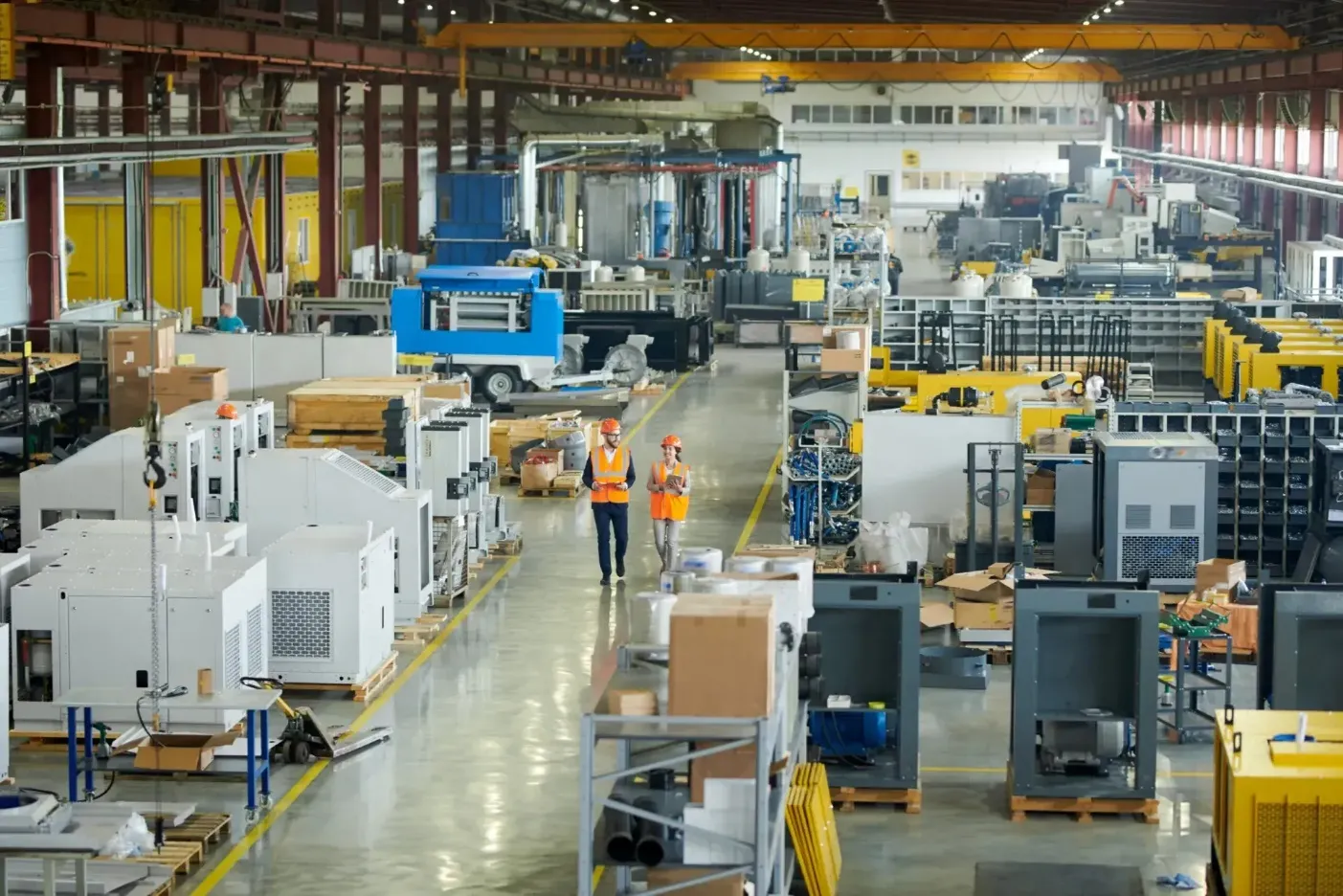
Warehouses and industrial facilities often contain valuable equipment, stored goods, delivery vehicles, and materials that require careful protection. Their size and operating schedules can make security management particularly challenging. Large premises may include numerous entrances, remote storage areas, and sections that remain unattended outside working hours. For these environments, offsite monitoring can provide additional oversight by connecting security equipment with personnel working from a separate control centre. Understanding the challenges of industrial security helps facility managers decide where remote monitoring can make a practical difference.
Large Facilities Create Unique Security Challenges
An industrial property may cover several buildings, outdoor storage sections, and vehicle routes. These areas can be difficult to observe from a single security point, particularly when loading activities or production schedules change throughout the day. Traditional patrols remain useful, but employees cannot be physically present everywhere at once. Strategic camera placement can help security teams observe vulnerable locations without requiring constant movement across the entire property.
The objective is to improve visibility while preserving the value of existing physical security arrangements.
Perimeter Security Requires Careful Planning
External boundaries represent a critical consideration for many warehouses and industrial facilities. Fences, gates, service entrances, and poorly illuminated areas may require different forms of protection. Cameras can be positioned to observe selected perimeter sections, while intelligent detection systems may generate alerts when movement occurs in restricted areas. These alerts can then be assessed by monitoring personnel.
However, vegetation, weather, and passing vehicles can complicate detection. Proper configuration and regular testing are necessary to keep unnecessary alerts manageable.
Monitoring Loading Bays and Vehicle Movements
Loading bays are often among the busiest areas of a commercial facility. Delivery vehicles arrive, stock is transferred, and employees move between internal and external spaces. These activities create legitimate movement that must be distinguished from unusual behaviour. Camera coverage can support investigations involving deliveries, vehicle access, and reported incidents.
Security teams should establish clear operating procedures so that monitoring supports normal logistics rather than interfering with essential business activities.
How Remote Alerts Support Incident Response
When a monitoring platform identifies suspicious activity, operators can examine the relevant footage and compare it with the property’s security instructions. If the event requires attention, the agreed response procedure may involve contacting on-site personnel, informing a designated manager, or notifying an authorised security response service.
The effectiveness of this process depends on accurate contact information and well-defined responsibilities. Regular reviews ensure that changes in staff or operational hours do not leave outdated instructions in place.
Strengthening Security With Integrated Technology
Industrial security often involves several separate systems. Cameras record activity, access control equipment manages authorised entry, and alarm devices indicate potential security breaches. Integrating these technologies can help operators interpret incidents more effectively. For example, an access event combined with relevant camera footage may provide useful context when investigating unexpected movement.
Important considerations include:
-
Camera coverage around restricted entrances.
-
Reliable communication between surveillance equipment and operators.
-
Backup power for critical security devices.
-
Clear procedures for assessing and escalating alerts.
-
Scheduled maintenance and system testing.
The right combination depends on the facility’s risk profile and existing infrastructure.
Working With Experienced Security Specialists
Industrial properties benefit from providers who understand large-scale installations, complex equipment environments, and operational safety requirements. CCTV Security Surveillance has served South African businesses since 1967. The company’s services include commercial CCTV installations, intelligent video analytics, access control, and remote surveillance through its in-house control room.
Its integrated approach is particularly relevant to organisations managing several security technologies across one or more facilities.
Maintenance and Staff Awareness Remain Essential
Even a carefully designed monitoring system can become less effective when equipment is neglected. Cameras may become obstructed, connections can fail, and changes to building layouts may introduce new blind spots. Routine inspections and testing help identify these issues. Managers should also ensure that employees understand how to report suspicious activity and technical faults.
Responsible surveillance practices require appropriate access controls for recordings and clear policies regarding their use. Technology should reinforce established workplace security procedures rather than replace employee awareness.
Conclusion
Warehouses and industrial facilities need security arrangements that reflect their size, operating patterns, and specific vulnerabilities. Remote surveillance can support perimeter protection, vehicle access monitoring, and incident assessment when combined with suitable equipment and reliable response procedures. Its success depends on careful planning, maintenance, connectivity, and coordination between monitoring personnel and site management. CCTV Security Surveillance provides integrated security services that address many of these operational requirements. Businesses considering additional monitoring should begin with a thorough assessment of their existing safeguards and prioritise improvements that deliver meaningful protection for their facilities.