

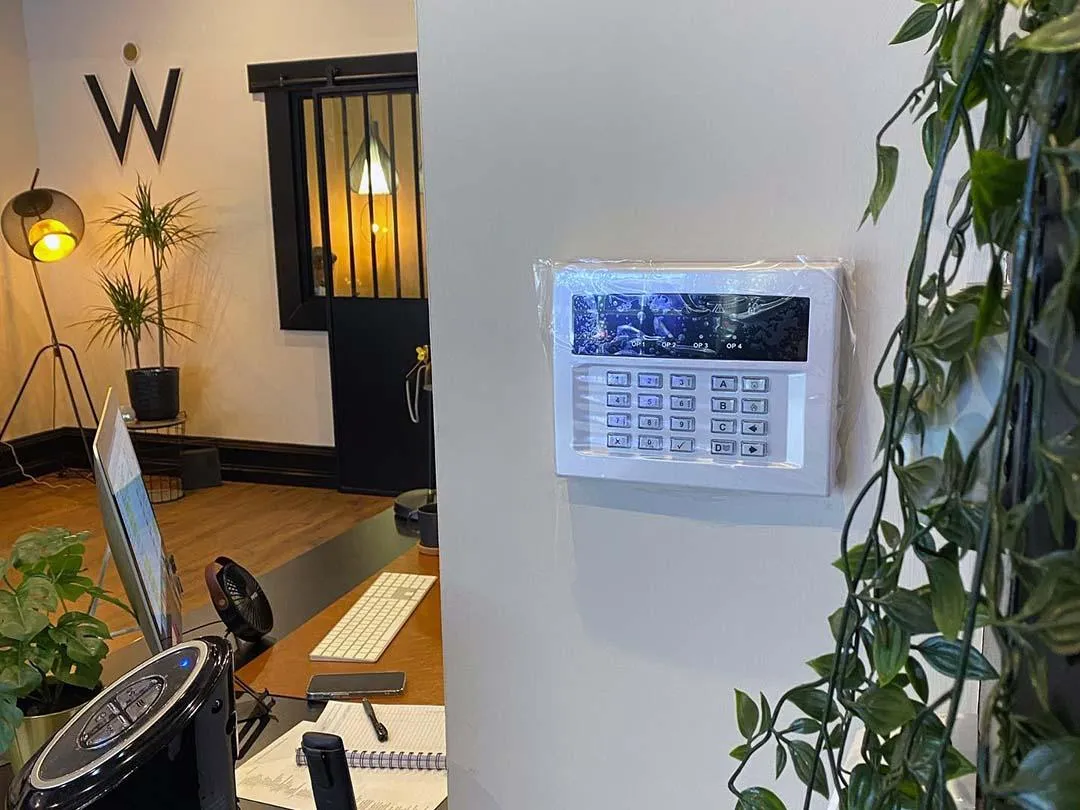
Period homes have character that modern developments often cannot replicate: solid timber doors, decorative plasterwork, narrow staircases and rooms shaped by generations of alterations. Those features can make security upgrades more complicated, especially when homeowners want to avoid chasing cables through finished walls. Fortunately, modern systems offer options that require less intrusive work. The best approach starts with understanding the building, identifying genuine risks and choosing equipment that fits both the property and the people living in it.
Respect the Building Before Choosing Devices
An older house may contain thick masonry walls, timber floors and spaces where access is difficult. These materials can affect wireless signals and limit straightforward mounting positions. A device that communicates perfectly across an open showroom may behave differently through several stone walls.
Start by mapping entrances, accessible windows and the rooms residents use most. Check whether external doors close securely, whether shared access arrangements exist and where a control panel would be convenient. This survey provides a sensible foundation for decisions about detectors and alarms without assuming every corner needs a sensor.
What Wireless Installation Really Means
Wireless alarms can reduce the need to run signal cables between many components, but “wireless” does not mean installation is entirely free of practical considerations. Devices need reliable communication, suitable mounting surfaces and appropriate power or batteries. Some control units also require a mains connection or broadband access, depending on the system.
For homeowners researching Wireless alarm installation Glasgow, the useful questions concern signal testing, sensor locations and ongoing support. An installer should consider the building’s layout before recommending a configuration. Testing matters particularly in properties with thick internal walls, detached garages or long corridors.
Decide What Should Trigger an Alert
Movement detectors, door contacts and audible sounders serve different purposes. An alarm at the main entrance may need a short entry delay, while an accessible rear window could require a different response. Selecting components according to how a household enters and moves through the property reduces avoidable alerts.
For example, a family returning with shopping may need enough time to disarm the system. A household with pets should ask whether detection settings and device placement suit animal movement. Convenience is not separate from security: systems that are consistently used are more valuable than complicated arrangements residents routinely switch off.
A Low-Disruption Planning Checklist
Before installation, make a few decisions that protect both the home’s appearance and its security:
-
Identify areas where drilling could damage decorative finishes.
-
Check wireless communication at intended detector positions.
-
Agree where the main control unit will be accessible.
-
Ask how batteries are checked and replaced.
-
Confirm what alerts mean during power or internet interruptions.
-
Record who is authorised to manage access codes.
-
Keep a simple plan of equipment locations for future maintenance.
If a property is listed or subject to building restrictions, confirm whether proposed alterations need permission. Discreet installation should never involve unsafe electrical shortcuts.
Combine Alarms With Other Sensible Measures
An alarm is one layer of protection, not a replacement for sound locks, exterior lighting and careful household routines. Cameras may help document activity at an entrance, while door contacts indicate when protected openings have been used. These functions are related but should not be confused.
When exploring a Home security system with installation, discuss how individual devices will work together and how much administration the household is comfortable managing. Owners should also consider privacy when cameras capture shared paths or areas beyond their property boundary. More equipment does not automatically mean better protection.
Think About Maintenance From the Beginning
The appeal of avoiding extensive rewiring can fade if nobody knows how to maintain the installed devices. Battery replacement intervals vary, and owners should check the manufacturer’s guidance rather than waiting for a sensor to stop responding. Periodic testing also confirms that signals reach the control unit.
Keep software updated where applicable, use unique passwords for connected accounts and remove access permissions when household circumstances change. A concise handover after installation can prevent confusion months later, particularly if several family members use the alarm.
Conclusion
Improving security in a period property should not mean sacrificing the details that make the building distinctive. Thick walls, original finishes and unusual layouts demand careful consideration when choosing alarm components and mounting locations. Testing wireless communication and keeping controls straightforward can help create protection that suits the home rather than disrupts it. techtwins.co.uk provides information about security installation options for Glasgow properties. A considered approach can preserve architectural character while giving residents greater confidence in their everyday surroundings.