

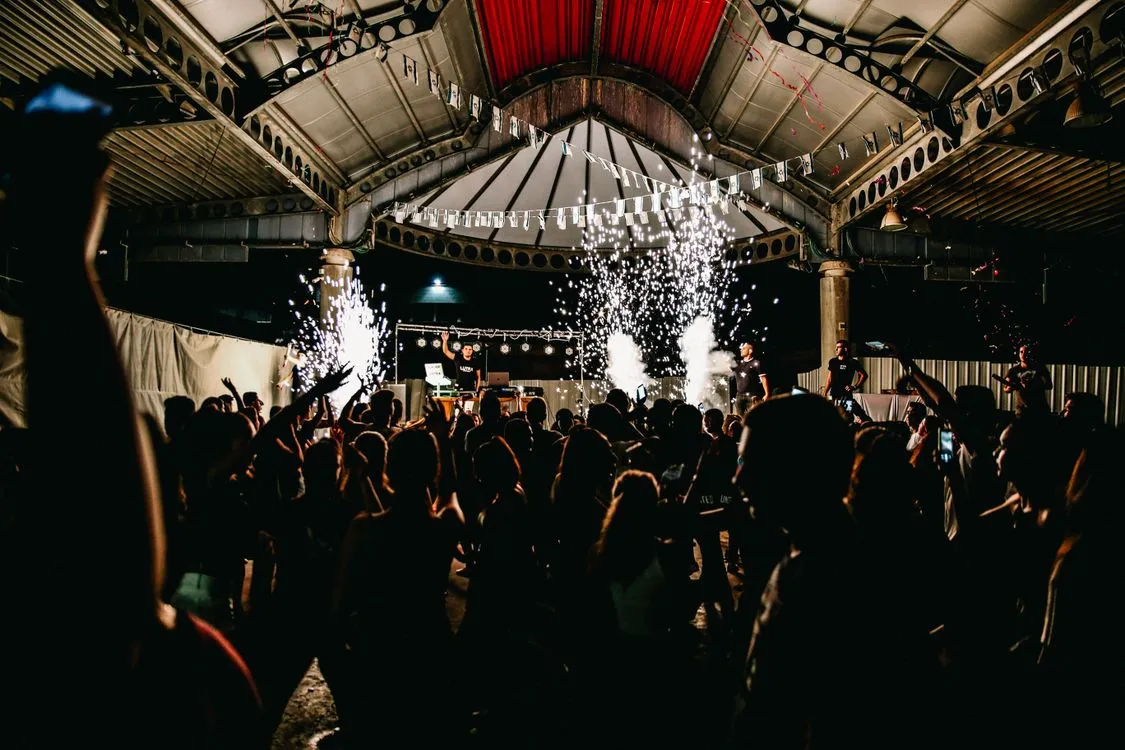
Music festivals are still built around live performances, big crowds, and long days. But in 2026, more events are also paying attention to how people feel during the full weekend.
Wellness is becoming a stronger part of the festival experience. Organizers are adding quiet spaces, fitness sessions, recovery areas, and mental health support so guests can enjoy the event without feeling completely drained.
Why Wellness Matters at Festivals
A music festival can be exciting, but it can also be tiring. Guests often spend hours walking, standing, dancing, queuing, and sleeping less than usual. Add heat, alcohol, loud sound, crowds, and travel stress, and the weekend can feel intense.
That is why wellness has become more practical. It is not only about luxury extras or trendy classes. It is about helping people stay comfortable, safe, and present.
Many attendees now expect better support from events. They want water stations, shaded areas, cleaner facilities, clear signs, welfare tents, and places where they can take a break from the crowd. These features help people last longer and enjoy the music more.
Relaxation Spaces Are Becoming Standard
One of the biggest changes is the growth of relaxation spaces. These areas give guests somewhere to rest when the main stages feel too loud or crowded.
A good relaxation space might include shade, seating, softer music, phone charging, water refill points, and staff who can help if someone feels unwell. Some events also offer calm tents with low lighting and quieter surroundings.
This matters for people who get overwhelmed easily, families with children, older guests, and anyone who needs a pause. It also helps people return to the event feeling better instead of leaving early.
Modern festivals are learning that rest does not weaken the experience. It supports it.
Fitness Sessions Add Structure to the Weekend
Fitness has also found a place at music events. Morning yoga, stretching, dance classes, guided runs, Pilates, breathwork, and mobility sessions are now common at some festivals.
These activities work because they help reset the body after late nights. A short morning stretch can reduce stiffness from camping. A yoga session can help guests slow down before another busy day. A light workout can make the weekend feel healthier without taking away from the fun.
Fitness sessions also create a different kind of social space. Not every festival memory has to happen in front of a stage. Some guests enjoy meeting people during a morning class, grabbing coffee after, and easing into the day more slowly.
Mental Health Support Is More Visible
Mental health support is becoming a serious part of event planning. Large crowds, intense sound, travel pressure, and alcohol can affect people in different ways. Some guests may feel anxious, lost, overstimulated, or unsafe.
In response, more events are adding welfare teams, support tents, trained staff, and clear reporting systems. These services give guests somewhere to go if they need help, feel distressed, or cannot find their group.
The best systems are easy to find and easy to understand. Guests should not need to search through a complicated app when they are already stressed. Clear signs, visible staff, and simple instructions matter.
Mental health support also includes prevention. Better lighting, safer walkways, accessible information, and respectful crowd management can reduce stress before it becomes a problem.
Better Food and Hydration Support Wellness
Wellness is also connected to food and drink. Festival food has improved a lot in recent years, and many events now offer more balanced options.
Guests can often find fresh meals, vegetarian dishes, fruit, protein snacks, smoothies, coffee, and alcohol-free drinks alongside the usual comfort food. This gives people more control over how they pace the weekend.
Hydration is even more important. Water refill stations should be easy to find, especially during hot weather. Some events now place water points near stages, campsites, food areas, and entrances so guests do not have to walk far.
Sleep and Recovery Are Getting More Attention
For camping festivals, sleep can be one of the hardest parts. Noise, cold, heat, bright morning light, and uncomfortable tents can leave guests exhausted.
Some events now offer upgraded camping, quiet camping, glamping, wellness camping, and recovery areas. These options appeal to people who still want the festival atmosphere but need better rest.
Even simple improvements help. Better campsite signs, cleaner showers, secure storage, and quiet hours can make the weekend easier. A guest who sleeps better is more likely to enjoy the next day.
Recovery spaces are also growing. Some include massage, stretching areas, cold drinks, shaded lounges, and calm morning programming. These features help guests feel like the event supports their body, not only their entertainment.
The Future of Festival Wellness
The connection between music festivals and wellness will likely keep growing in 2026 and beyond. Guests want events that feel exciting, but they also want to feel safe, rested, and supported.
The strongest festivals will still focus on music. But they will also understand that comfort, recovery, and mental health shape the whole experience.
Wellness is not replacing the energy of live events. It is helping people enjoy that energy for longer, with less stress and more control over their weekend.